 Health Professionals
 Patients & Families
 Careers


OUR TECHNOLOGY • CELL THERAPY
Using living cells as therapeutic agents
Cell therapy is an innovative approach that uses living cells as an active part of treatment. Rather than relying only on conventional medicines that act through chemical or biological molecules, cell therapies explore the unique abilities of cells themselves to help restore, regulate, replace, or enhance biological functions.
Advances in cell biology and biotechnology are making it increasingly possible to study, prepare, and modify cells for therapeutic purposes, creating new opportunities for the development of advanced treatments.
What is cell therapy?
Using living cells as therapeutic agents
Cell therapy refers to medical approaches in which living cells are used to prevent, treat, or manage disease. Depending on the therapeutic goal, cells may be used to replace damaged or lost cells, support tissue function, regulate biological responses, or perform specific therapeutic functions within the body.
Therapeutic cells can come from different sources, including a patient’s own cells (autologous) or cells obtained from another donor (allogeneic). The choice of cell source depends on the disease, therapeutic strategy, and characteristics required for the intended treatment.

The central idea behind cell therapy is to use the natural biological capabilities of living cells as an active part of a therapeutic approach.
How does cell therapy work?
Preparing living cells for a therapeutic purpose. The development of a cell therapy depends on the type of cells being used and the intended clinical function.

01. Obtaining Cells
Therapeutic cells are collected from the patient (autologous) or donor-derived biological sources.

02. Preparing & Processing
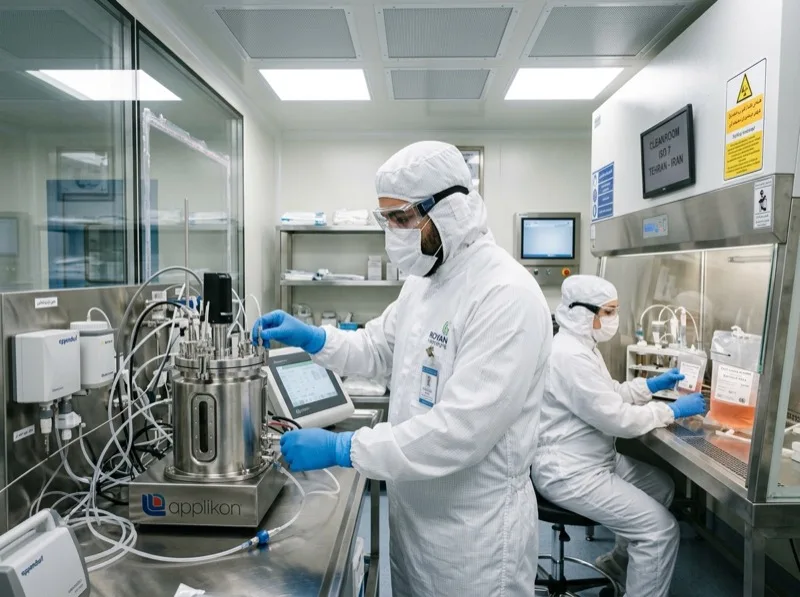
Cells are processed under controlled cGMP conditions with rigorous identity, quality, and viability validation.

03. Modifying & Enhancing
Cells are engineered to introduce new targeted receptors or enhance therapeutic properties.

04. Administering Cells
Administered cells interact with tissues and immune networks to perform their therapeutic mission.
Why does cell therapy matter?
Many diseases are associated with cells that are damaged, lost, malfunctioning, or unable to perform their normal biological functions. Cell therapy offers a different therapeutic approach by using living cells themselves as active components of treatment.
Cells can sense their environment, communicate with other cells, respond to biological signals, and perform complex biological functions. These characteristics create opportunities to explore therapeutic approaches that may not be achievable through conventional medicines alone.
For patients, this progress represents the possibility of expanding treatment options and addressing diseases that remain challenging to treat.
Therapeutic potential of cell therapy
Expanding the possibilities of cellular medicine across a wide range of clinical applications.
Regenerative Approaches
Replacing cells that are damaged, lost, or unable to perform normal physiological functions to restore cellular activity.
Immune Cell Approaches
Using living immune cells to enhance, redirect, or regulate immune defenses, connecting directly with immunotherapy.
Engineered Cells (CAR-T)
Modifying cells with advanced biotechnology to acquire specific targeted capabilities, such as CAR-T cells recognizing cancer antigens.
Cell therapy and advanced therapies (ATMP)
Cell therapy is an important component of the broader field of advanced therapies. Some cell-based therapies are classified as Advanced Therapy Medicinal Products (ATMPs), a regulatory category that also includes certain gene therapies and tissue-engineered products.
Because the therapeutic agent may consist of living cells, careful evaluation is required to understand and control characteristics such as identity, potency, consistency, quality, and safety under rigorous cGMP cleanroom manufacturing standards.
Advancing the future of medicine
Cell therapy is expanding our ability to use the natural capabilities of living cells as part of medicine. As our understanding deepens, advances in cellular engineering and biotechnology create new opportunities to develop targeted therapies.
Our vision is to help translate advances in cell biology and cellular engineering into innovative therapeutic approaches that address significant unmet medical needs.