 Health Professionals
 Patients & Families
 Careers


OUR TECHNOLOGY • GENOME EDITING
Modifying genetic information to develop next-generation therapies
Every cell in the human body contains genetic information that provides instructions for how cells function. Changes in this information can alter cellular behavior and, in some cases, contribute to disease.
Genome editing is an innovative approach that enables scientists to make targeted changes to DNA. By improving our ability to understand and modify genetic information, researchers are exploring new ways to address disease mechanisms at the molecular and cellular level.
This approach is opening new possibilities for the development of therapies that target the genetic information underlying cellular function.
What is genome editing?
Modifying the genetic instructions that guide cellular function
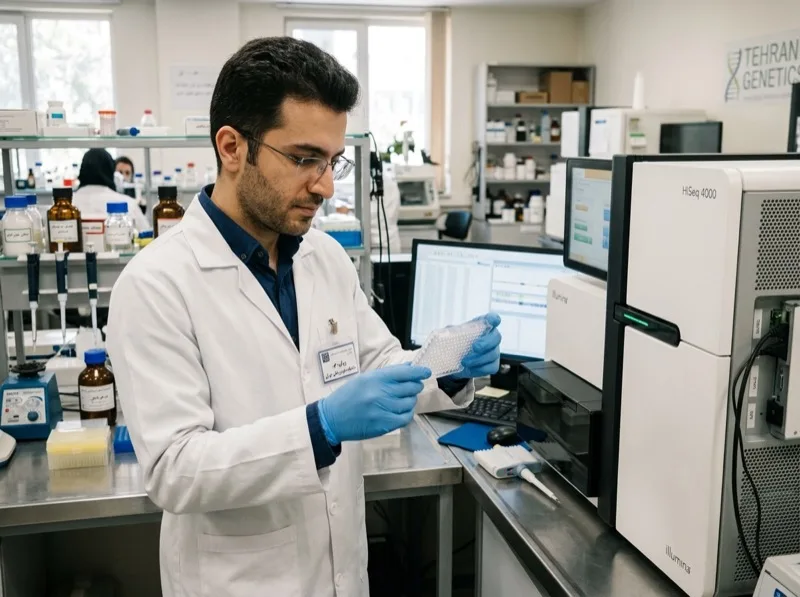
Genome editing refers to technologies that allow researchers to introduce specific changes within the genome of a cell. The genome contains the biological instructions that guide many aspects of cellular function. When genetic changes affect important cellular processes, researchers can investigate whether modifying these genetic instructions may help alter or restore cellular behavior.
Unlike conventional medicines that mainly act on disease-related molecules or biological pathways, genome editing focuses directly on the genetic information that influences how cells function. Researchers can use genome editing to disrupt a genetic sequence, modify its activity, or introduce a specific genetic change, depending on the therapeutic or scientific objective.

This ability to modify genetic information has opened new possibilities for understanding disease and exploring therapeutic strategies at the molecular level.
How does genome editing work?
Targeting genetic information toward a defined purpose. Genome editing approaches are designed to recognize specific regions of DNA and introduce controlled genetic changes.

01. Identifying Target
Researchers identify a genetic sequence or region associated with a biological function or disease mechanism.

02. Directing System
Specialized molecular tools like CRISPR utilize guide molecules to direct editing components to precise genomic loci.

03. Modification
Genome editing is used to disrupt a sequence, modulate its expression, or introduce specific targeted alterations.

04. Cellular Repair
Cells harness their innate DNA repair pathways to resolve the targeted modification with high fidelity.
Why does genome editing matter?
Many diseases are influenced by genetic changes that affect normal cellular function. Understanding these mechanisms can provide opportunities to explore therapeutic strategies that act closer to the biological basis of disease.
Genome editing provides a powerful platform not only for studying how genetic changes affect cells, but also for investigating whether targeted modifications can produce a therapeutic benefit. This is particularly relevant for diseases in which changing the activity or function of a specific gene may influence disease progression or cellular behavior.
For patients, this progress represents the possibility of expanding treatment options by addressing disease mechanisms at the level of genetic information.
Therapeutic potential of genome editing
Exploring the potential of genetic medicine across a growing range of therapeutic areas and biological targets.
Genetic Pathways
Modifying complex genetic pathways directly involved in chronic disease pathogenesis.
Disease Alteration
Altering disease-associated genetic changes at the fundamental molecular origin.
Gene Regulation
Regulating and fine-tuning the active expression levels of specific functional genes.
Cellular Engineering
Engineering therapeutic cells ex vivo or in vivo with defined clinical characteristics.
Genome editing and advanced therapies
Genome editing is an important technology within the broader field of advanced therapies. Genetic technologies can be used to modify cells and investigate new therapeutic strategies. When combined with cell-based approaches, genome editing may enable researchers to develop cells with specific properties or functions for therapeutic use.
The development of these approaches requires more than the ability to modify DNA. Researchers must also understand how genetic changes affect cellular behavior and carefully evaluate factors such as specificity, functionality, consistency, quality, and safety across the development cycle.
Advancing the future of medicine
Genome editing is expanding our ability to understand and influence the genetic mechanisms that underlie disease. As our understanding continues to deepen, advances in genome editing create new opportunities to develop targeted therapies.
Our vision is to help translate advances in genome editing and cellular engineering into innovative therapeutic approaches that address significant unmet medical needs.