 Health Professionals
 Patients & Families
 Careers


APPROVED THERAPY • CD19-DIRECTED CAR T-CELL
CARTIVATE: Personalized CAR T-cell therapy for B-cell malignancies
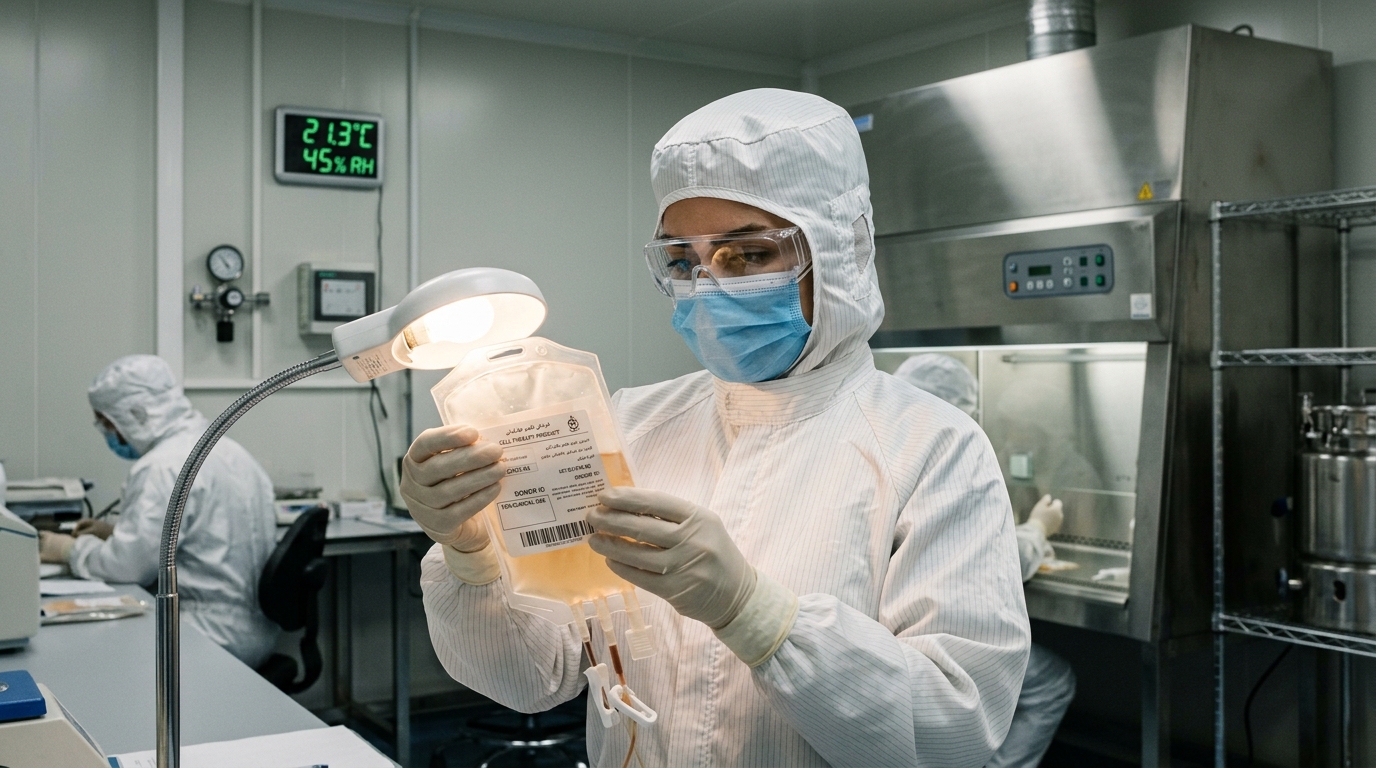
CARTIVATE is a personalized CAR T-cell therapy being developed for B-cell acute lymphoblastic leukemia (B-ALL) and B-cell lymphoma. It uses a patient’s own T cells, which are collected and genetically modified to express a chimeric antigen receptor (CAR) designed to recognize CD19, a protein expressed on many B-lineage cells.
CARTIVATE brings together immunology, genetic engineering, and cell therapy in an investigational personalized approach to B-cell malignancies.
Target
CD19 Antigen
Modality
Autologous CAR T-Cell
Indication
B-ALL & B-cell Lymphoma
Status
IRC Approved (IFDA)
Understanding B-cell malignancies
B-ALL and B-cell lymphomas arise from abnormal B-lineage cells. Many of these malignant cells express CD19, making it an important biological target for directed therapy.
B-cell Acute Lymphoblastic Leukemia (B-ALL)
In B-ALL, abnormal immature B-lineage cells, known as lymphoblasts, accumulate in the bone marrow and blood, interfering with normal blood cell production. This disruption can lead to serious complications and requires prompt therapeutic intervention.
B-cell Lymphomas
B-cell lymphomas are a diverse group of cancers arising from B-lineage lymphocytes at different stages of development. Depending on the subtype, abnormal cells may accumulate in lymph nodes, bone marrow, or other tissues.
Many B-lineage cells, including malignant cells in B-ALL and several types of B-cell lymphoma, express CD19. This makes CD19 an important biological target for CD19-directed CAR T-cell therapy. CARTIVATE is being developed to equip a patient’s own T cells with a CAR designed to recognize CD19-positive cells.
What is CARTIVATE?
Turning a patient’s own T cells into targeted therapeutic cells
CARTIVATE is an autologous CD19-directed CAR T-cell therapy being developed for B-ALL and B-cell lymphoma. Autologous means that the therapy is made using the patient’s own cells.
The process begins by collecting T cells from the patient’s blood. These cells are then genetically modified in a controlled laboratory process so they can express a CAR designed to recognize CD19. This gives the engineered T cells a new recognition capability, allowing them to identify CD19-positive cells and activate an immune response.

How does CARTIVATE work?
A patient’s own cells become part of the therapy through a multi-step biomanufacturing process.

01. Collecting T cells
T cells are collected from the patient’s blood through leukapheresis, which separates selected blood cells while returning the remaining blood components.

02. Engineering the T cells
The collected T cells are genetically modified so they can express a CD19-directed chimeric antigen receptor (CAR).

03. Preparing the therapy
The engineered cells are processed and expanded under controlled conditions to create the personalized CAR T-cell product.

04. Returning the cells
The prepared CAR T cells are administered through an infusion. The engineered cells are designed to recognize CD19-positive cells and activate an immune response.
How do CARTIVATE cells recognize their target?
Giving T cells a new way to recognize CD19-positive cells

Patient’s T cell
→

CAR introduced
→

CD19 CAR T cell
→

CD19+ recognition
→

Immune activation
The CAR functions as a recognition system on the engineered T cell. When it encounters CD19 on a target cell, it can trigger signaling that activates the T cell. This targeted recognition is the central mechanism being investigated in CD19-directed CAR T-cell therapy.
The CARTIVATE treatment journey
From cell collection to personalized therapy. The CAR T-cell process involves several coordinated stages, guided by the healthcare team.
1
Medical evaluation
The healthcare team evaluates the patient’s disease, previous treatments, overall health, and other relevant factors.
2
T-cell collection
The patient’s T cells are collected through leukapheresis.
3
Cell engineering
The collected cells are genetically modified to express a CD19-directed CAR and prepared as a personalized cellular product.
4
Preparing for infusion
The patient receives any preparatory treatment determined by the healthcare team.
5
CARTIVATE infusion
The prepared CAR T cells are returned to the patient through an infusion.
6
Monitoring & follow-up
The patient is closely monitored following infusion, with appropriate follow-up and supportive care throughout the treatment process.
Bringing together three areas of biotechnology
Together, these technologies allow a patient’s own immune cells to be collected, engineered, prepared, and returned to the body with a new recognition capability.
Immunology
Provides the foundation for understanding how T cells recognize and respond to abnormal cells.
Genetic Engineering
Enables T cells to express a specifically designed chimeric antigen receptor.
Cell Therapy
Enables these living, engineered cells to become an active component of the therapeutic approach.
A personalized approach to cancer therapy
CARTIVATE is being developed to explore how a patient’s own immune cells can be engineered to recognize a specific disease-associated target. By combining T-cell biology, genetic engineering, and cell therapy, CD19-directed CAR T-cell therapy represents an approach to developing personalized cellular therapies for B-cell malignancies.
CARTIVATE is part of our effort to translate advances in immunology and cellular engineering into innovative therapeutic approaches for patients with B-cell acute lymphoblastic leukemia and B-cell lymphoma.
Development status: CARTIVATE remains in research and development. Its safety, efficacy, and clinical benefit are subject to ongoing evaluation.
HEALTH PROFESSIONALS
Doctor Referral Guide
Information, resources and support for healthcare providers referring patients to our therapies.
PATIENTS & FAMILIES
Patient Guidance & Support
Learn about our therapies, get support and find resources for you and your loved ones.