 Health Professionals
 Patients & Families
 Careers

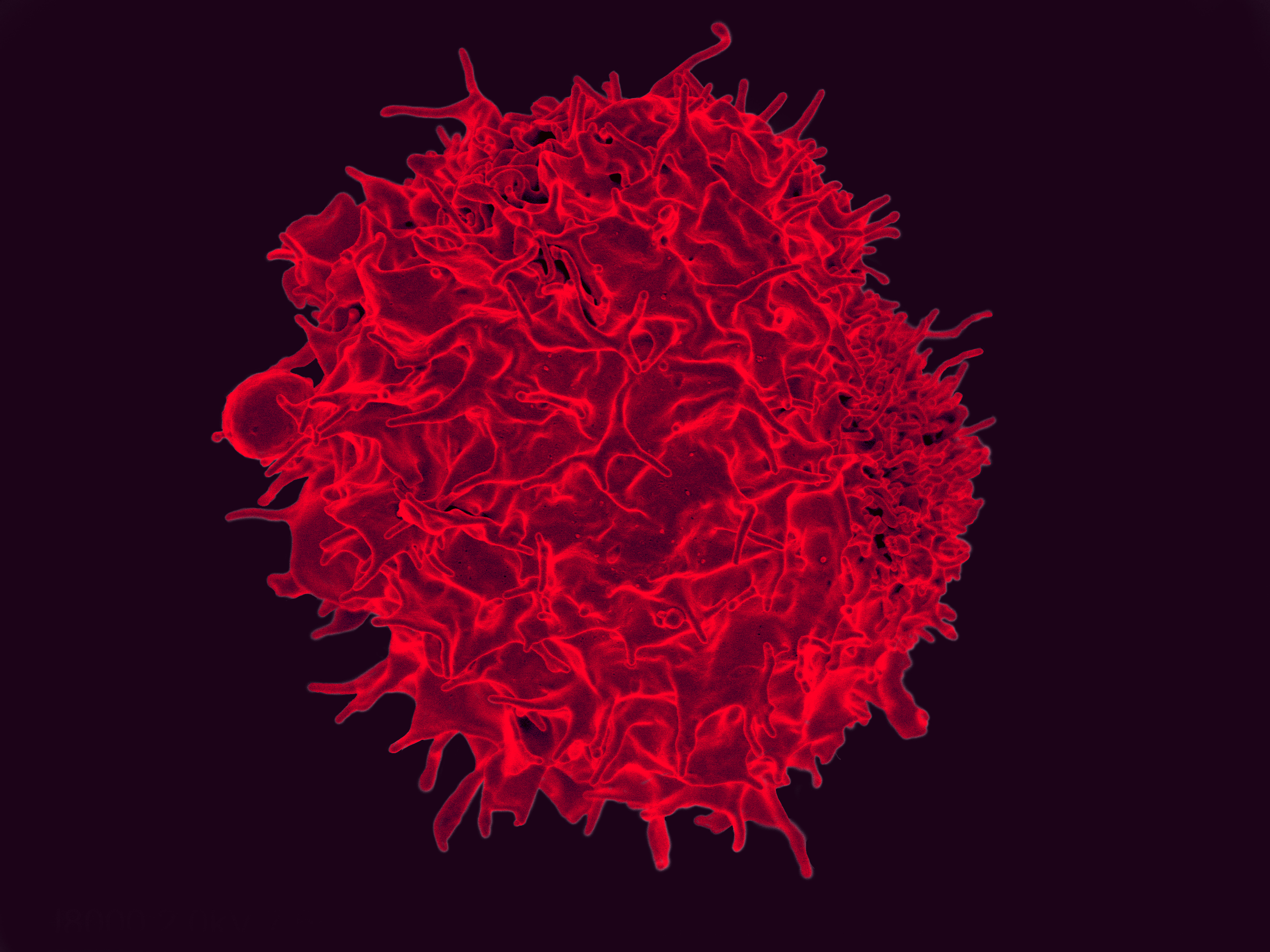
The landscape of multiple myeloma treatment is rapidly evolving as emerging clinical data continues to demonstrate the potential of chimeric antigen receptor (CAR) T-cell therapies beyond late-line treatment. Recent findings presented at the 2025 American Society of Hematology (ASH) Annual Meeting highlight a major shift toward integrating CAR-T therapies earlier in the treatment journey, offering new hope for patients with both relapsed/refractory and newly diagnosed disease.
Historically, CAR-T therapies have been primarily reserved for patients with heavily pretreated multiple myeloma. However, recent clinical studies demonstrate significant improvements in response rates and progression-free survival, supporting the expansion of CAR-T approaches into earlier treatment settings.
Key Clinical Trial Findings
In the KarMMa-3 trial, treatment with idecabtagene vicleucel (ide-cel), a BCMA-directed CAR-T therapy, demonstrated improved outcomes compared with standard therapies in patients with relapsed/refractory multiple myeloma, including older patient populations. Among patients aged 70 years and older, ide-cel achieved an overall response rate of 81.6% compared with 48.1% with standard care, with a median progression-free survival of 18.9 months versus 5.7 months.
Similarly, results from the CARTITUDE-4 study showed sustained benefit with ciltacabtagene autoleucel (cilta-cel), a BCMA-targeted CAR-T therapy. After extended follow-up, patients receiving cilta-cel demonstrated superior progression-free survival compared with standard treatment approaches.
Next-Generation Cellular Therapies
Beyond improving outcomes with existing CAR-T platforms, the next generation of cellular therapies is focusing on overcoming resistance mechanisms through:
- Dual-target CAR-T designs to reduce antigen escape
- Allogeneic “off-the-shelf” CAR-T platforms to improve accessibility
- In vivo CAR-T approaches designed to generate therapeutic cells directly inside the patient
These advances represent a major step toward a future where engineered immune cells may become an earlier and more personalized treatment option for patients with multiple myeloma.
Source: Journal of Hematology & Oncology, “CAR-T therapy moving to first-line in multiple myeloma: latest updates from the 2025 ASH annual meeting,” April 13, 2026.